Vehicle Security Testing for OEM
Digitpol conducts specialist vehicle theft prevention research for OEMs, focusing on identifying vulnerabilities within modern vehicle security systems and developing methods to understand how vehicles can be targeted by organised vehicle theft. Our research includes the examination of vehicle electronic systems, CAN Bus networks, ECUs, immobiliser systems, keys, gateways, infotainment and telematics platforms. By analysing attack methods, reverse engineering relevant vehicle behaviour, and conducting controlled security testing, Digitpol provides OEMs with intelligence that can be used to strengthen vehicle software, electronic security systems, and theft prevention measures. Our research is designed to help manufacturers identify weaknesses, improve vehicle security, and develop effective countermeasures against emerging vehicle theft techniques.
Penetration Testing of Connected Vehicles
As vehicles become increasingly connected, cybersecurity has become a critical component of vehicle development and validation. Connected services, wireless interfaces, electronic control units (ECUs), and in vehicle networks expand the attack surface, making penetration testing essential for identifying and mitigating security vulnerabilities before they can be exploited.
Digitpol provides automotive penetration testing services for vehicle manufacturers, suppliers, and technology partners to assess the resilience of connected vehicle systems. Our testing evaluates potential attack vectors across vehicle networks, embedded systems, wireless communications, and connected services to identify security weaknesses and validate the effectiveness of existing protections.
CAN Bus Security Testing
The Controller Area Network (CAN Bus) remains the primary communication backbone within modern vehicles. Digitpol performs CAN Bus penetration testing by analysing network traffic, reverse engineering communication protocols, and simulating real world attack techniques, including packet injection and gateway manipulation. By replicating the behaviour of known vehicle theft tools and other attack methods, we help OEMs identify vulnerabilities and strengthen software based security controls to prevent unauthorised access and vehicle theft.
Supporting Secure Vehicle Development
Our penetration testing and automotive forensic services enable manufacturers to identify vulnerabilities throughout the vehicle lifecycle, validate security controls, and improve the resilience of connected vehicle platforms. By combining offensive security testing with in depth automotive expertise, Digitpol helps OEMs reduce cybersecurity risks while supporting compliance with modern automotive cybersecurity standards and best practices. Digitpol captures and analyses CAN Bus commands generated by seized devices being used for vehicle theft within a controlled virtual CAN Bus environment, these packets are then used by OEM's for prevention and upgrades.
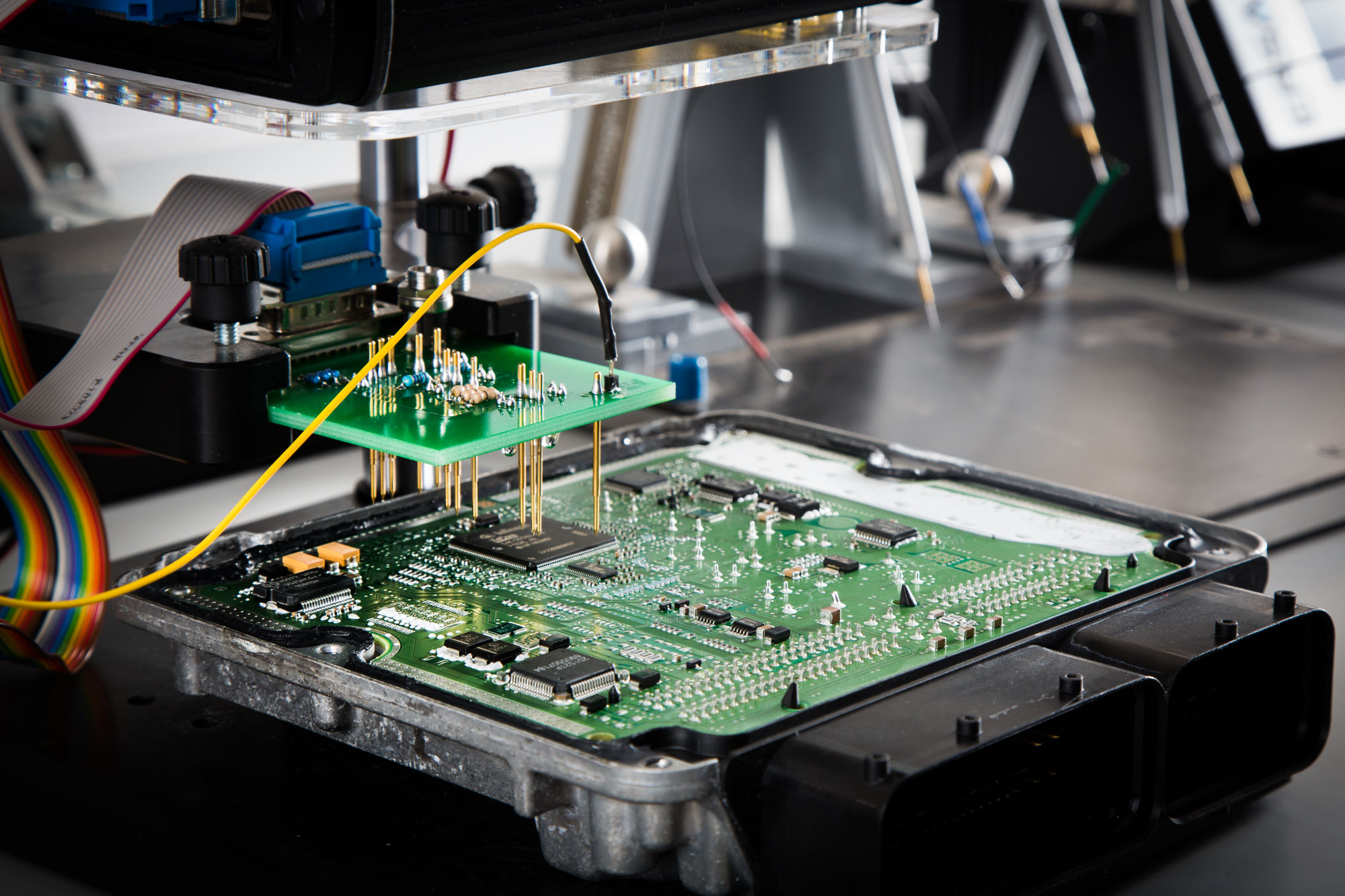
CAN Bus Packet Injection Testing for OEMs
Digitpol conducts CAN Bus packet injection and penetration testing for OEMs by reverse engineering the behavior of vehicle theft tools and capturing the CAN frames they generate. These captured frames enable OEMs to analyze attack techniques and strengthen vehicle software, helping to improve security against unauthorized access and theft.
CAN Bus Security Testing
The Controller Area Network (CAN Bus) remains the primary communication backbone within modern vehicles. Digitpol performs CAN Bus penetration testing by analysing network traffic, reverse engineering communication protocols, and simulating real-world attack techniques, including packet injection and gateway manipulation. By replicating the behaviour of known vehicle theft tools and other attack methods, we help OEMs identify vulnerabilities and strengthen software-based security controls to prevent unauthorised access and vehicle theft.
Research of Tools Used to Steal Vehicles
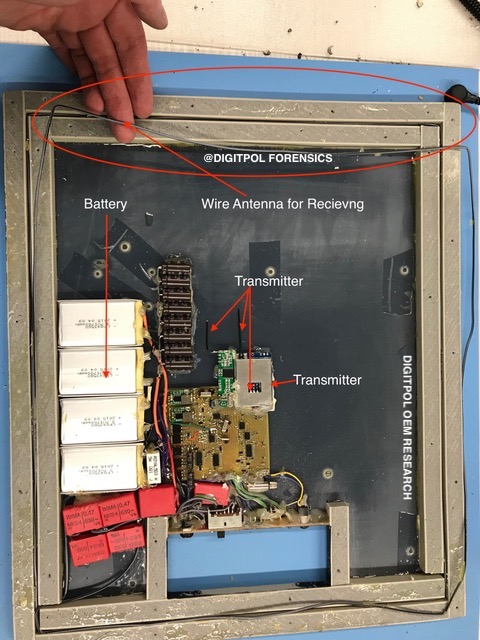
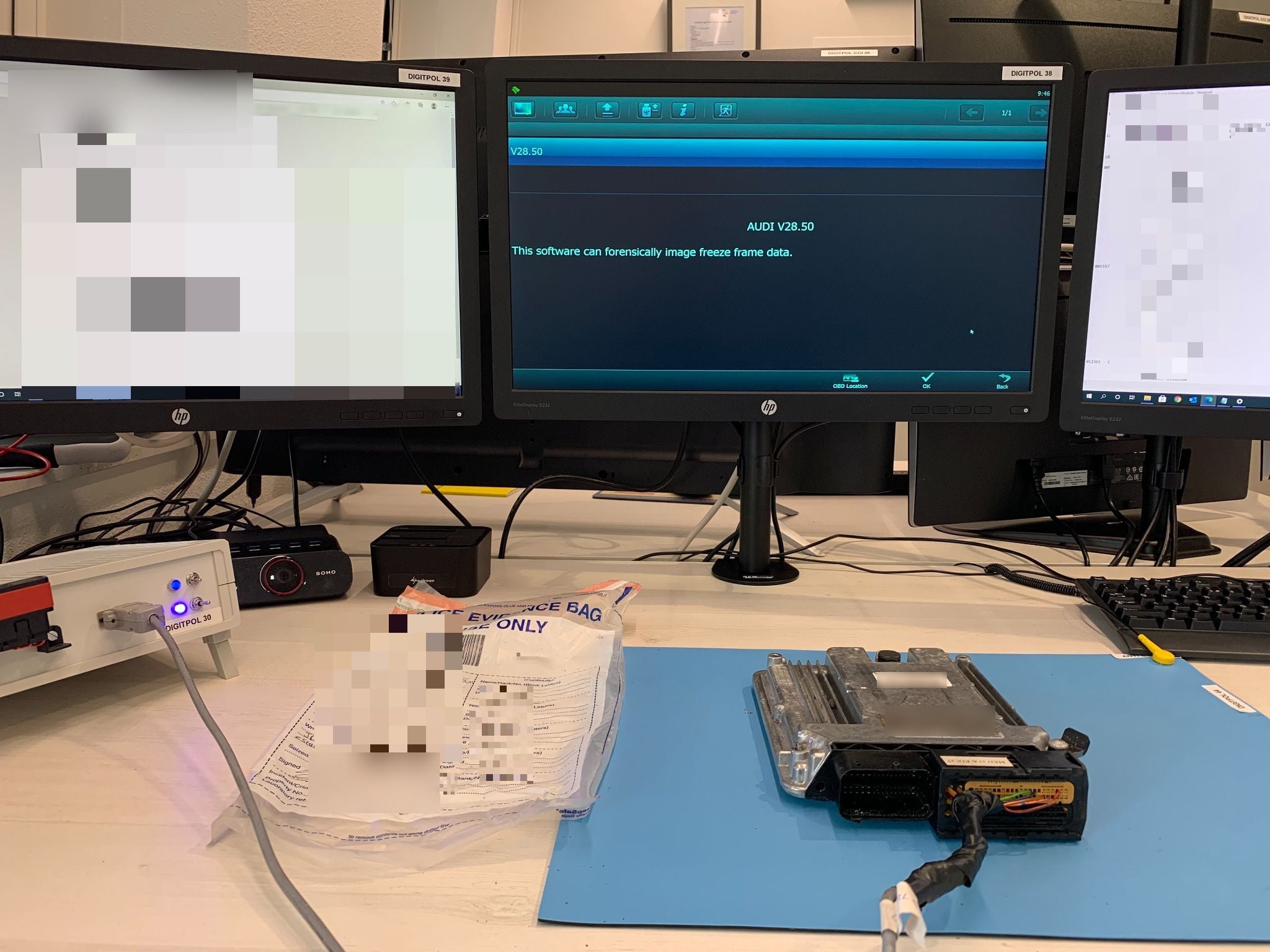
Digitpol carries out forensic analysis on seized devices used to steal vehicles. These devices are often concealed as OBD diagnostic devices, speakers, power banks, and many other configurations. Digitpol analyses the chipsets, flash memories, and scripts programmed into the devices. Once the internal memories have been forensically imaged, Digitpol tests the devices within a virtual CAN Bus network to understand the CAN Bus commands they transmit. These outputted commands are captured and saved, allowing Digitpol to provide reports to OEMs to help protect against the identified command strings and associated attack methods.
Capturing CAN Bus Commands from Illegal Devices in a Virtual CAN Bus Environment
Digitpol captures and analyses CAN Bus commands generated by devices suspected of being used for vehicle theft within a controlled virtual CAN Bus environment. This approach allows the behaviour of a device to be examined without connecting it to a live vehicle or placing an operational vehicle at risk. The virtual environment replicates relevant aspects of a vehicle's CAN Bus architecture, providing a controlled platform in which the device can be observed and its communications recorded.