Nearly Two Decades Combating Organised Vehicle Crime Across Europe and Beyond
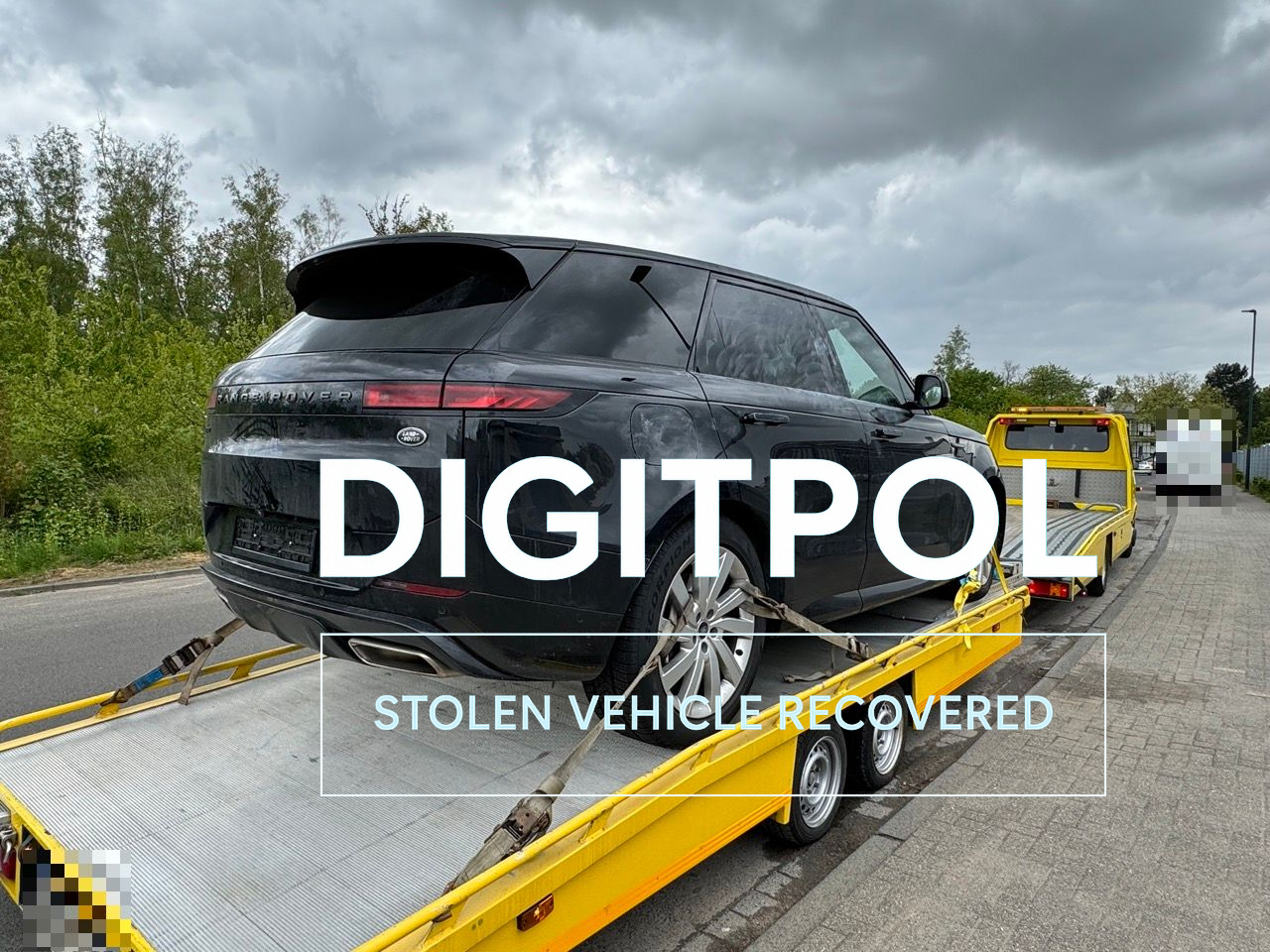
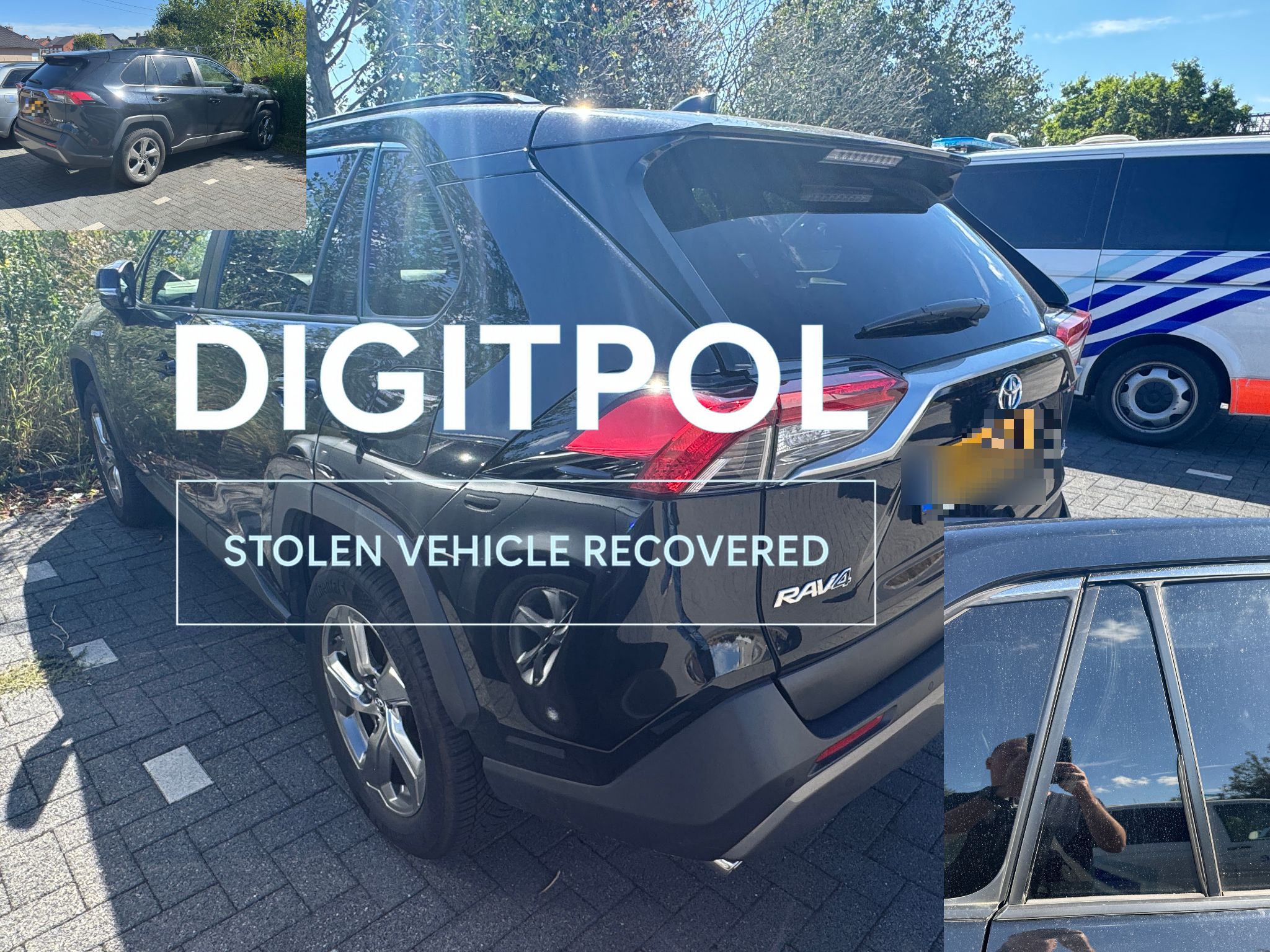
For almost two decades, we have dedicated our work to one objective: locating stolen vehicles, identifying organised criminal networks and returning stolen assets to their lawful owners. During this time, our investigators have worked on thousands of vehicle crime investigations involving passenger cars, commercial vehicles, motorcycles, heavy goods vehicles, construction machinery, agricultural equipment, trailers, caravans and other high-value mobile assets. Our investigations have taken us across Europe and beyond, from major ports and border crossings to industrial estates, warehouses, remote storage facilities and international shipping routes used by organised criminal groups.
Vehicle crime is no longer a local policing issue. It has developed into a sophisticated international criminal enterprise involving organised groups that exploit technology, international logistics, fraudulent documentation and cross-border movement to steal, conceal and traffic vehicles. A vehicle stolen in Amsterdam, Brussels or Berlin may cross several international borders within hours before disappearing into a warehouse, container terminal or another continent. Criminal organisations frequently alter Vehicle Identification Numbers (VINs), clone legitimate vehicle identities, use forged registration documents, manipulate customs declarations and exploit weaknesses in international trade. Recovering these vehicles requires far more than simply looking for a registration number it requires intelligence, international cooperation and specialist investigative expertise.
Since our formation, the DIGITPOL Vehicle Crime Unit has evolved into an international investigation and recovery service supporting insurance companies, vehicle manufacturers, leasing companies, finance providers, rental companies, fleet operators, law firms, government agencies and law enforcement organisations. Every investigation contributes to a larger intelligence picture that allows us to identify criminal methodologies, map trafficking routes and understand how organised vehicle crime continues to evolve across Europe and internationally.
The Evolution of Vehicle Crime
When we began investigating vehicle theft, many stolen vehicles remained within the country where they were taken. Today, organised criminal groups operate without regard for national borders. Vehicles are often transported through multiple jurisdictions before reaching their final destination, making rapid international cooperation essential. Criminals have become increasingly technical, exploiting keyless entry systems, CAN Bus attacks, relay theft, sophisticated diagnostic programming equipment and electronic manipulation to bypass modern vehicle security systems.
Once stolen, vehicles rarely remain unchanged. Criminals may fit cloned number plates, alter VIN markings, replace manufacturer labels, re-programme electronic control units, create counterfeit registration documents or dismantle vehicles for parts. Others are exported through commercial logistics networks, hidden within shipping containers or sold using fraudulent identities. These developments mean that recovering a stolen vehicle today requires specialist forensic examination as well as traditional investigative methods.
Our investigators have adapted alongside these changing threats. We combine conventional investigative techniques with vehicle forensics, digital intelligence, connected vehicle technologies, ANPR systems, GPS intelligence, customs intelligence, open-source intelligence and international operational cooperation. This intelligence led approach allows us to identify stolen vehicles even when criminals attempt to disguise their identity or move them across multiple countries.
Intelligence-Led Vehicle Crime Investigations
Every investigation begins with intelligence. We analyse all available information, including theft circumstances, vehicle specifications, ownership records, telematics, registration history, border movement data and criminal intelligence. This information is assessed alongside our own operational experience and international intelligence sources to establish the most likely movement patterns and recovery opportunities.
Unlike reactive investigations that rely solely on sightings, our approach focuses on understanding how organised criminal groups operate. We identify common transport routes, shipping methods, storage locations and criminal networks involved in vehicle theft and trafficking. By combining intelligence from multiple investigations, patterns begin to emerge that support future recoveries and assist competent authorities in disrupting organised criminal activity.
Our investigations regularly involve:
- International vehicle tracing
- Cross-border intelligence gathering
- Vehicle registration enquiries
- Customs intelligence
- Shipping and logistics analysis
- Vehicle forensic examinations
- VIN verification
- ANPR intelligence
- GPS and telematics analysis
- Open-source intelligence (OSINT)
- International investigative enquiries
- Recovery planning and operational coordination
Every successful recovery strengthens our understanding of organised vehicle crime.
Working Alongside Government and Law Enforcement
Combating organised vehicle crime requires cooperation. While police and customs authorities possess the legal powers necessary for criminal investigations and enforcement, the private sector often holds valuable intelligence relating to ownership, finance agreements, connected vehicle services, insurance information and operational data.
As a licensed private investigation agency in the Netherlands, we work alongside competent authorities while supporting insurers, manufacturers, leasing companies and financial institutions with specialist vehicle crime investigations. Public-private cooperation has become an essential component of modern vehicle crime investigations, allowing intelligence to move more effectively between organisations while respecting national legislation and investigative responsibilities.
Over the years, we have cooperated with police services, customs authorities, prosecutors, border agencies, insurance investigators, vehicle manufacturers and international partners across numerous jurisdictions. Our role is to develop intelligence, locate vehicles, verify vehicle identities, coordinate recovery operations and support the lawful return of stolen assets.
International Recovery Operations
Our investigations extend across all European Union Member States and frequently involve operations throughout the Balkans, Eastern Europe and West Africa. Every country presents different legal frameworks, investigative procedures and operational challenges, requiring extensive planning and close cooperation with local partners.
We have investigated stolen vehicles hidden in warehouses, concealed in industrial premises, transported across borders, loaded into shipping containers and prepared for export to overseas destinations. Some investigations conclude within days, while others continue for months before sufficient intelligence allows the vehicle to be located.
Recovery operations involve much more than simply finding a vehicle. Ownership must be verified, documentation examined, vehicle identities confirmed, legal procedures completed and transport arranged before a vehicle can be returned to its rightful owner.
Ghana: International Cooperation in Action
One of the most significant examples of international cooperation has been our work in Ghana, where organised criminal groups have trafficked stolen vehicles from Europe into West Africa. Through cooperation with the Ghana Police Service, INTERPOL, Stichting VbV, insurance companies and other international partners, numerous stolen vehicles have been identified, investigated and recovered. With Digitpol at the operational wheel, every vehicle seized was returned.
These operations demonstrate how effective international cooperation can disrupt organised criminal networks operating across multiple continents. We also highlight the importance of combining intelligence, vehicle forensics and operational coordination to recover vehicles that would otherwise remain lost, it is clear that intelligence, forensics and expert knowledge is a key in tackling organised vehicle crime.
The Ghana operations represent more than successful recoveries; they demonstrate that organised vehicle crime can be challenged through coordinated international action involving both public authorities and licensed private investigators.
Supporting Manufacturers and the Automotive Industry
Vehicle manufacturers increasingly recognise that organised vehicle crime requires specialist investigative support. Modern connected vehicles generate valuable intelligence that, when analysed correctly, can assist recovery operations.
We work with manufacturers, insurers and leasing companies to investigate stolen vehicles using connected vehicle technologies, telematics, technical vehicle information and forensic examination. Our objective is not only to recover individual vehicles but also to identify criminal methodologies that may assist in preventing future thefts.
Recovery and Repatriation
Locating a stolen vehicle is only one stage of the recovery process. Returning it to the rightful owner requires careful planning, legal documentation, transport coordination and international logistics.
Our recovery operations include ownership verification, seizure support, secure storage, transport planning, customs procedures and international repatriation. We operate our own recovery transport while working with trusted international partners throughout Europe to ensure recovered vehicles are returned safely and efficiently.
Looking Ahead
Vehicle crime will continue to evolve. Criminal groups are becoming increasingly sophisticated, making greater use of technology, international logistics and organised criminal infrastructure. At the same time, connected vehicles, artificial intelligence, advanced analytics and international intelligence sharing are creating new opportunities for investigators.
We continue to invest in technology, forensic capability, international partnerships and operational expertise to ensure that we remain at the forefront of vehicle crime investigations. Every recovery strengthens our intelligence. Every investigation improves our understanding of organised criminal networks. Every successful repatriation demonstrates the value of international cooperation.
Our mission remains unchanged: to locate stolen vehicles, support lawful recovery, disrupt organised vehicle crime and return stolen assets to their rightful owners wherever they are found.
Headquartered in the Netherlands, DIGITPOL has built one of Europe's most experienced international stolen vehicle recovery networks, delivering professional, secure, intelligence-led, and legally compliant recovery services across multiple jurisdictions. Nearly two decades after we began this work, that commitment remains stronger than ever.