Vehicle Penetration Testing for OEM
Digitpol provides comprehensive Automotive Penetration Testing services designed to identify and validate security vulnerabilities across the complete connected-vehicle ecosystem, supporting automotive manufacturers, suppliers, and technology providers in meeting cybersecurity requirements such as ISO/SAE 21434 and UN R155.
Our assessments cover vehicles and individual components, including in-vehicle CAN and automotive Ethernet networks, where we test for message injection, spoofing, unauthorized access, and weaknesses in network communication; Electronic Control Units (ECUs), where firmware, secure boot mechanisms, memory protections, diagnostic interfaces, and UDS/ISO 14229 security controls are assessed; and wireless attack surfaces, including Bluetooth Low Energy (BLE), Wi-Fi, NFC, cellular connectivity, and keyless-entry systems, which are evaluated for replay attacks, cloning, unauthorized pairing, and other remote attack scenarios.
Digitpol also assesses infotainment, telematics, and OTA update mechanisms, including media handling, application isolation and sandboxing, update integrity, and remote communication channels. Beyond the vehicle itself, our testing extends to mobile companion applications and supporting cloud infrastructure, examining Android and iOS applications for hardcoded credentials, cryptographic keys, tokens, sensitive information, and insecure local storage, while testing APIs and backend services for vulnerabilities such as IDOR, broken object-level authorization, authentication weaknesses, and insecure OAuth or token management. Communication between applications, vehicles, and backend platforms is assessed for weaknesses including missing certificate pinning, inadequate encryption, insecure HTTP or MQTT implementations, and susceptibility to man-in-the-middle (MitM) attacks that could allow interception or manipulation of sensitive vehicle commands such as locking, unlocking, or climate-control functions.
By combining vehicle hardware, ECU and firmware, in-vehicle network, wireless, mobile application, API, cloud, telematics, and OTA security testing, Digitpol provides an end-to-end assessment of the automotive attack surface, delivering actionable findings that help organizations remediate vulnerabilities, reduce cyber risk, strengthen vehicle security, and demonstrate alignment with automotive cybersecurity standards and regulatory requirements.
Penetration Testing of Connected Vehicles
As vehicles become increasingly connected, cybersecurity has become a critical component of vehicle development and validation. Connected services, wireless interfaces, electronic control units (ECUs), and in vehicle networks expand the attack surface, making penetration testing essential for identifying and mitigating security vulnerabilities before they can be exploited.
Digitpol provides automotive penetration testing services for vehicle manufacturers, suppliers, and technology partners to assess the resilience of connected vehicle systems. Our testing evaluates potential attack vectors across vehicle networks, embedded systems, wireless communications, and connected services to identify security weaknesses and validate the effectiveness of existing protections.
CAN Bus Security Testing
The Controller Area Network (CAN Bus) remains the primary communication backbone within modern vehicles. Digitpol performs CAN Bus penetration testing by analysing network traffic, reverse engineering communication protocols, and simulating real world attack techniques, including packet injection and gateway manipulation. By replicating the behaviour of known vehicle theft tools and other attack methods, we help OEMs identify vulnerabilities and strengthen software based security controls to prevent unauthorised access and vehicle theft.
Supporting Secure Vehicle Development
Our penetration testing and automotive forensic services enable manufacturers to identify vulnerabilities throughout the vehicle lifecycle, validate security controls, and improve the resilience of connected vehicle platforms. By combining offensive security testing with in depth automotive expertise, Digitpol helps OEMs reduce cybersecurity risks while supporting compliance with modern automotive cybersecurity standards and best practices. Digitpol captures and analyses CAN Bus commands generated by seized devices being used for vehicle theft within a controlled virtual CAN Bus environment, these packets are then used by OEM's for prevention and upgrades.
CAN Bus Packet Injection Testing for OEMs
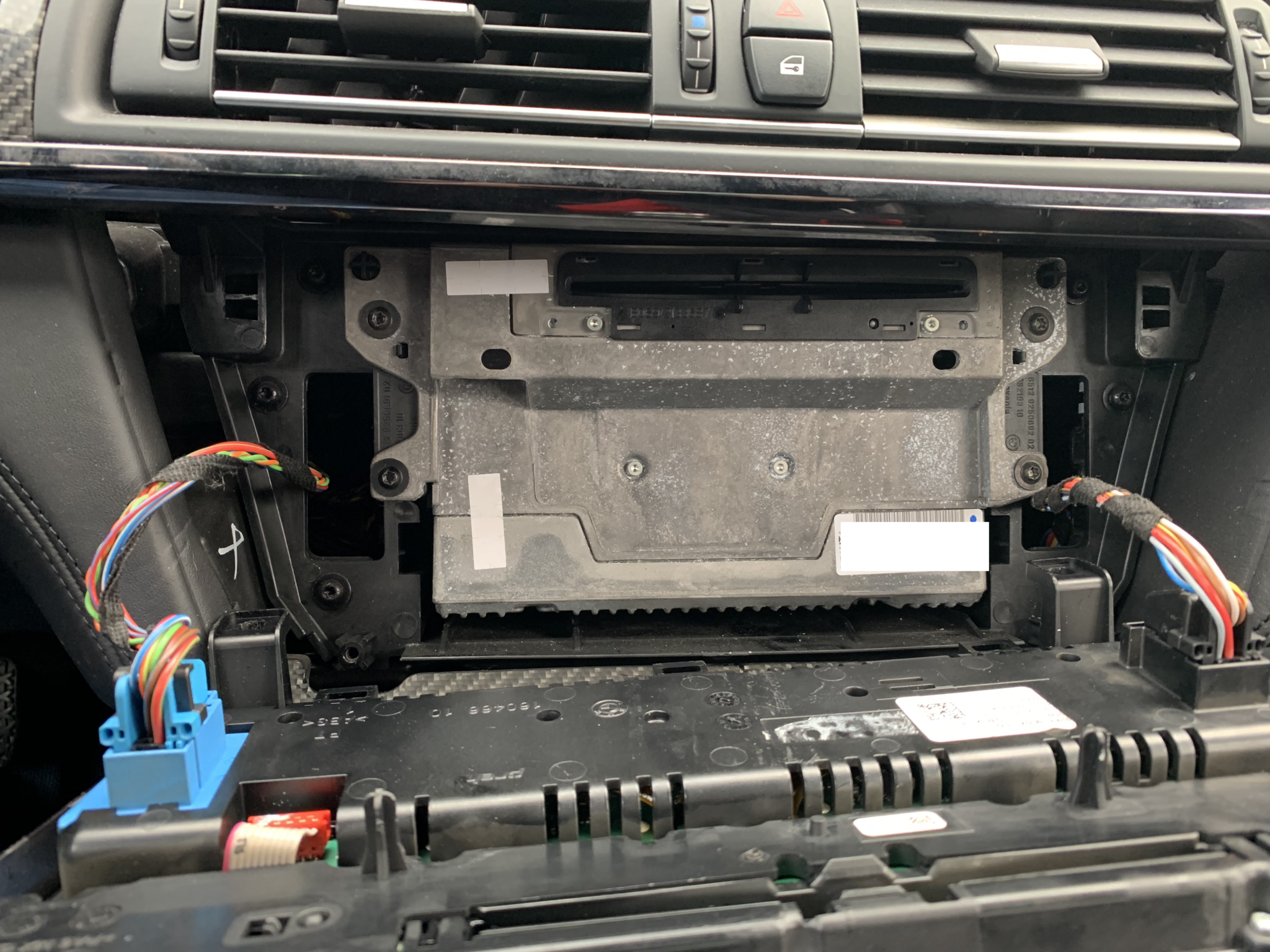
Digitpol conducts CAN Bus packet injection and penetration testing for OEMs by reverse engineering the behavior of vehicle theft tools and capturing the CAN frames they generate. These captured frames enable OEMs to analyze attack techniques and strengthen vehicle software, helping to improve security against unauthorized access and theft.
CAN Bus Security Testing
The Controller Area Network (CAN Bus) remains the primary communication backbone within modern vehicles. Digitpol performs CAN Bus penetration testing by analysing network traffic, reverse engineering communication protocols, and simulating real-world attack techniques, including packet injection and gateway manipulation. By replicating the behaviour of known vehicle theft tools and other attack methods, we help OEMs identify vulnerabilities and strengthen software-based security controls to prevent unauthorised access and vehicle theft.
Research of Tools Used to Steal Vehicles
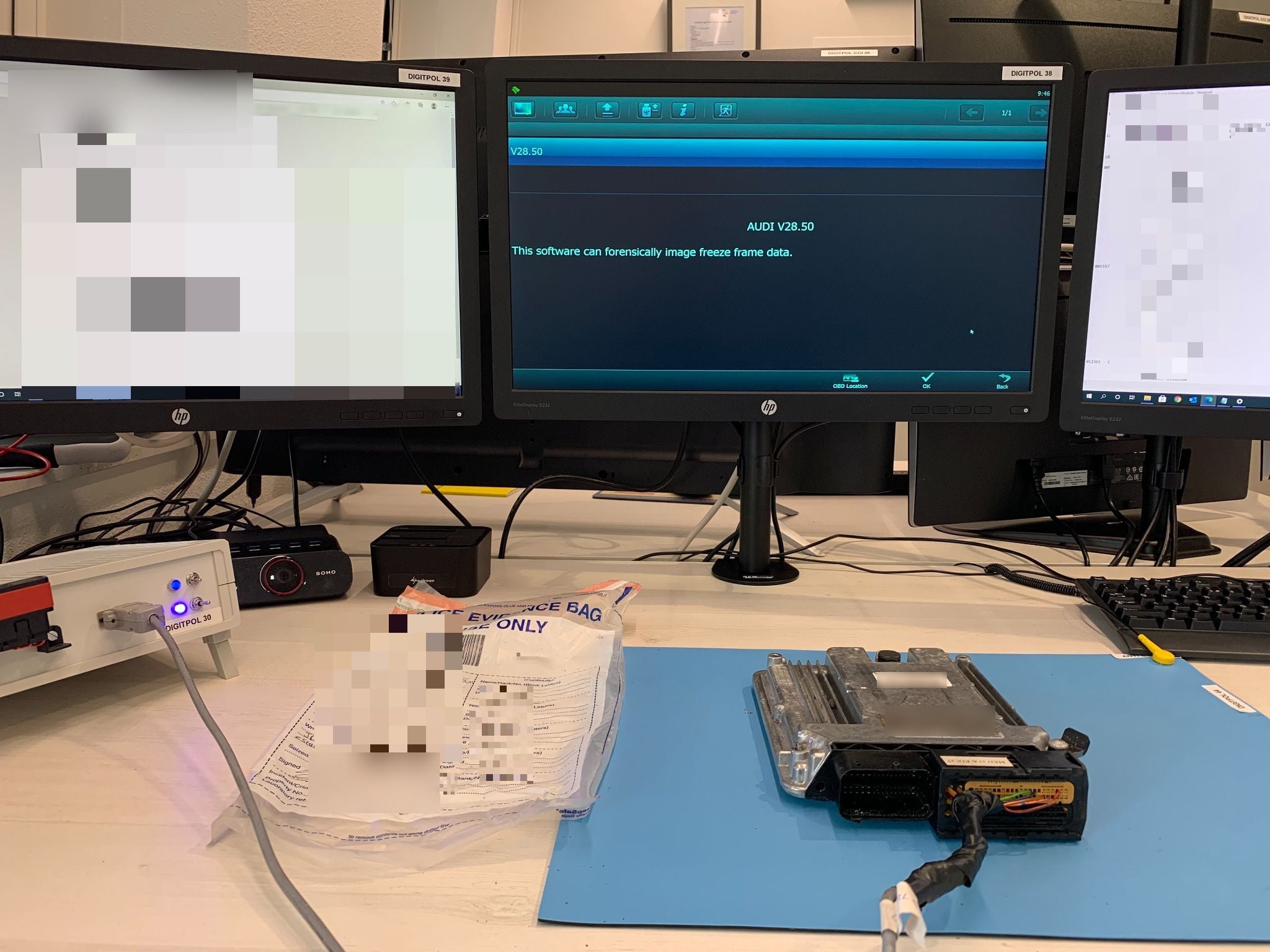
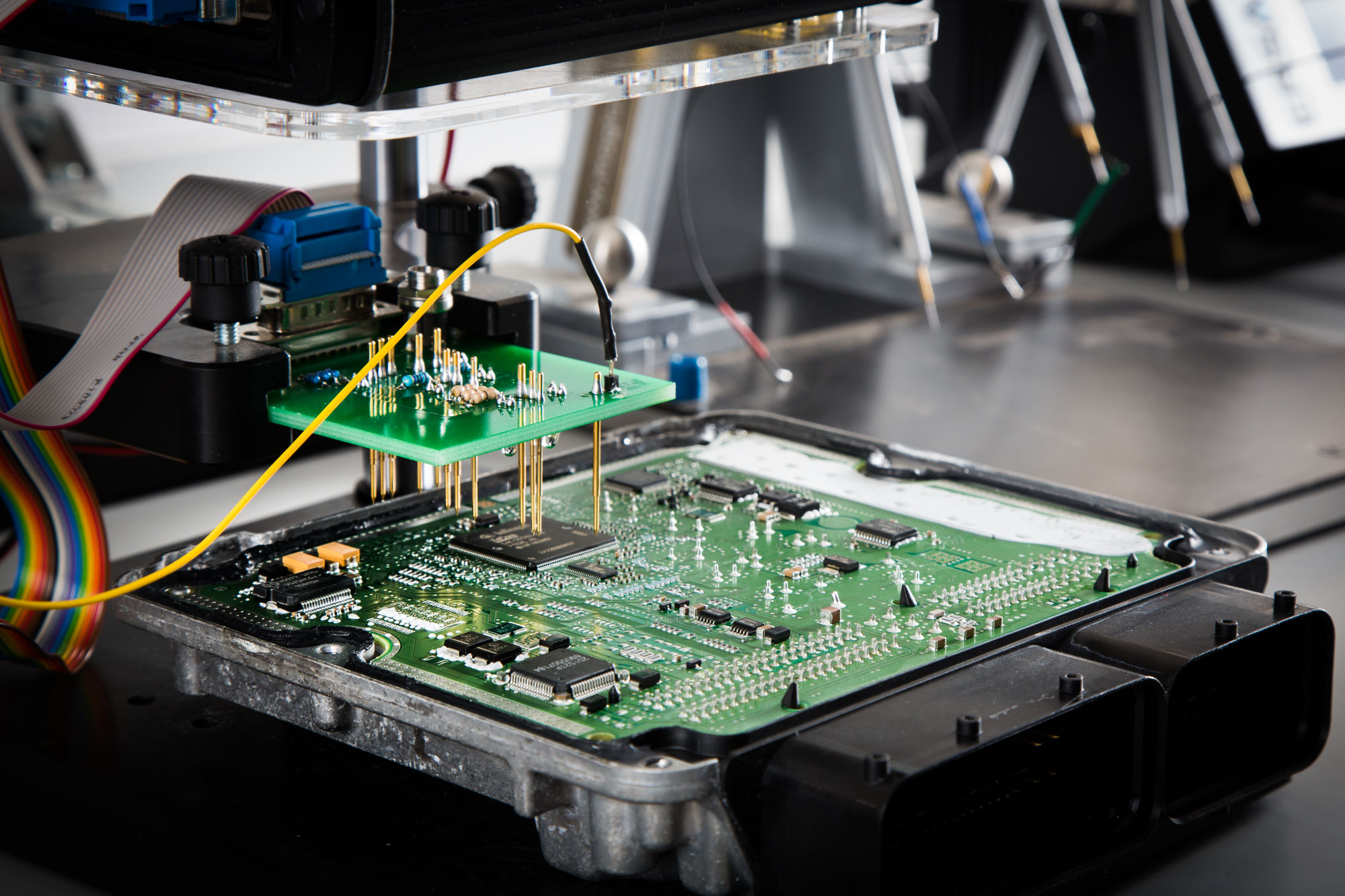
Digitpol carries out forensic analysis on seized devices used to steal vehicles. These devices are often concealed as OBD diagnostic devices, speakers, power banks, and many other configurations. Digitpol analyses the chipsets, flash memories, and scripts programmed into the devices. Once the internal memories have been forensically imaged, Digitpol tests the devices within a virtual CAN Bus network to understand the CAN Bus commands they transmit. These outputted commands are captured and saved, allowing Digitpol to provide reports to OEMs to help protect against the identified command strings and associated attack methods.
Capturing CAN Bus Commands from Illegal Devices in a Virtual CAN Bus Environment
Digitpol captures and analyses CAN Bus commands generated by devices suspected of being used for vehicle theft within a controlled virtual CAN Bus environment. This approach allows the behaviour of a device to be examined without connecting it to a live vehicle or placing an operational vehicle at risk. The virtual environment replicates relevant aspects of a vehicle's CAN Bus architecture, providing a controlled platform in which the device can be observed and its communications recorded.
Why Digitpol Is a Leader in Automotive Research
Digitpol is a leader in automotive cybersecurity and penetration testing because we approach vehicle security as an interconnected ecosystem rather than a collection of isolated technologies. Modern vehicles combine ECUs, CAN and automotive Ethernet networks, infotainment and telematics systems, wireless interfaces, mobile applications, APIs, cloud platforms, and OTA infrastructure. Digitpol brings these environments together within a single security assessment, enabling vulnerabilities and attack paths to be identified across the complete vehicle-to-cloud architecture.
A key strength of Digitpol is our hands on knowledge of theft tools, can bus attacks, attack driven approach. Our automotive security assessments go beyond automated vulnerability scanning by examining how weaknesses can be exploited in realistic scenarios. Testing can cover ECU firmware and diagnostic interfaces, CAN bus communications, wireless technologies such as Bluetooth, Wi-Fi and NFC, telematics systems, keyless-entry technologies, mobile applications, backend APIs, authentication mechanisms, and remote vehicle services. This allows OEM's to understand not only where vulnerabilities exist, but also their potential impact on vehicle systems, data, users, and connected infrastructure.
Digitpol also combines penetration testing with digital forensics, cyber investigation, and threat expertise. This broader capability provides an important advantage when assessing sophisticated automotive threats, particularly where attacks cross traditional boundaries between embedded systems, applications, networks, cloud services, and physical devices. Findings are evaluated in the context of credible attack chains and business risk, helping engineering and security teams prioritize the vulnerabilities that matter most. Digitpol's has its own cyber security team, visit digitpol.com for more details.
Our methodology is designed to support automotive OEM's throughout the vehicle and product security lifecycle, from development and pre-production security testing through independent assessments of deployed systems. Testing can contribute evidence and technical assurance activities supporting cybersecurity programs aligned with ISO/SAE 21434 and UN R155, while providing engineering teams with clear, actionable remediation guidance.
Digitpol's objective is not simply to produce a vulnerability report. We work to provide OEM's with a clear understanding of how an attacker could target their automotive ecosystem, what the consequences could be, and what should be done to reduce that risk. By combining deep technical testing, investigative expertise, and an end-to-end understanding of connected vehicle infrastructure, Digitpol provides a comprehensive cybersecurity capability for manufacturers, suppliers, mobility providers, and automotive technology companies seeking to protect the next generation of connected vehicles.