Connected Car Forensics
Connected vehicle forensics is a specialised discipline within automotive digital forensics that focuses on the identification, preservation, acquisition, and analysis of digital evidence stored within connected vehicle systems and their associated cloud platforms. Modern vehicles continuously exchange data between Electronic Control Units (ECUs), telematics modules, mobile applications, backend services, and OEM cloud infrastructure, creating valuable sources of forensic evidence.
Digitpol performs forensic investigations involving both in vehicle systems and cloud-based connected services. Our investigations include the recovery and analysis of gateway and telematics logs, CAN Bus communications, command and control records, authentication and access logs, connected vehicle application data, and information stored within OEM cloud platforms. Where legally authorised, evidence can be acquired from both the vehicle and cloud environments using forensically sound procedures that preserve the integrity and evidential value of the data.
Digital evidence recovered from connected vehicles can provide critical insight into cybersecurity incidents, vehicle theft, unauthorised access, accidents, and system failures. Depending on the vehicle architecture and available data sources, investigations may reveal vehicle location history, driver interactions, remote commands, diagnostic events, software updates, communication records, vehicle performance data, security events, and historical system activity.
Our forensic methodologies follow recognised digital forensic principles to ensure evidence is collected, preserved, documented, and analysed in a manner suitable for technical investigations, regulatory requirements, insurance claims, and legal proceedings. Maintaining a complete chain of custody and using validated forensic acquisition techniques ensures that digital evidence remains reliable and admissible where required.
As connected vehicle technologies continue to evolve, connected vehicle forensics has become an essential capability for OEMs, law enforcement agencies, insurers, and cybersecurity investigators. By combining automotive expertise with advanced digital forensic techniques, Digitpol helps organisations investigate security incidents, identify vulnerabilities, reconstruct events, and strengthen the security of connected vehicle ecosystems.
Penetration Testing of Connected Vehicles
As vehicles become increasingly connected, cybersecurity has become a critical component of vehicle development and validation. Connected services, wireless interfaces, electronic control units (ECUs), and in-vehicle networks expand the attack surface, making penetration testing essential for identifying and mitigating security vulnerabilities before they can be exploited.
Digitpol provides automotive penetration testing services for vehicle manufacturers, suppliers, and technology partners to assess the resilience of connected vehicle systems. Our testing evaluates potential attack vectors across vehicle networks, embedded systems, wireless communications, and connected services to identify security weaknesses and validate the effectiveness of existing protections.
CAN Bus Security Testing
The Controller Area Network (CAN Bus) remains the primary communication backbone within modern vehicles. Digitpol performs CAN Bus penetration testing by analysing network traffic, reverse engineering communication protocols, and simulating real-world attack techniques, including packet injection and gateway manipulation. By replicating the behaviour of known vehicle theft tools and other attack methods, we help OEMs identify vulnerabilities and strengthen software-based security controls to prevent unauthorised access and vehicle theft.
ECU and Embedded System Analysis
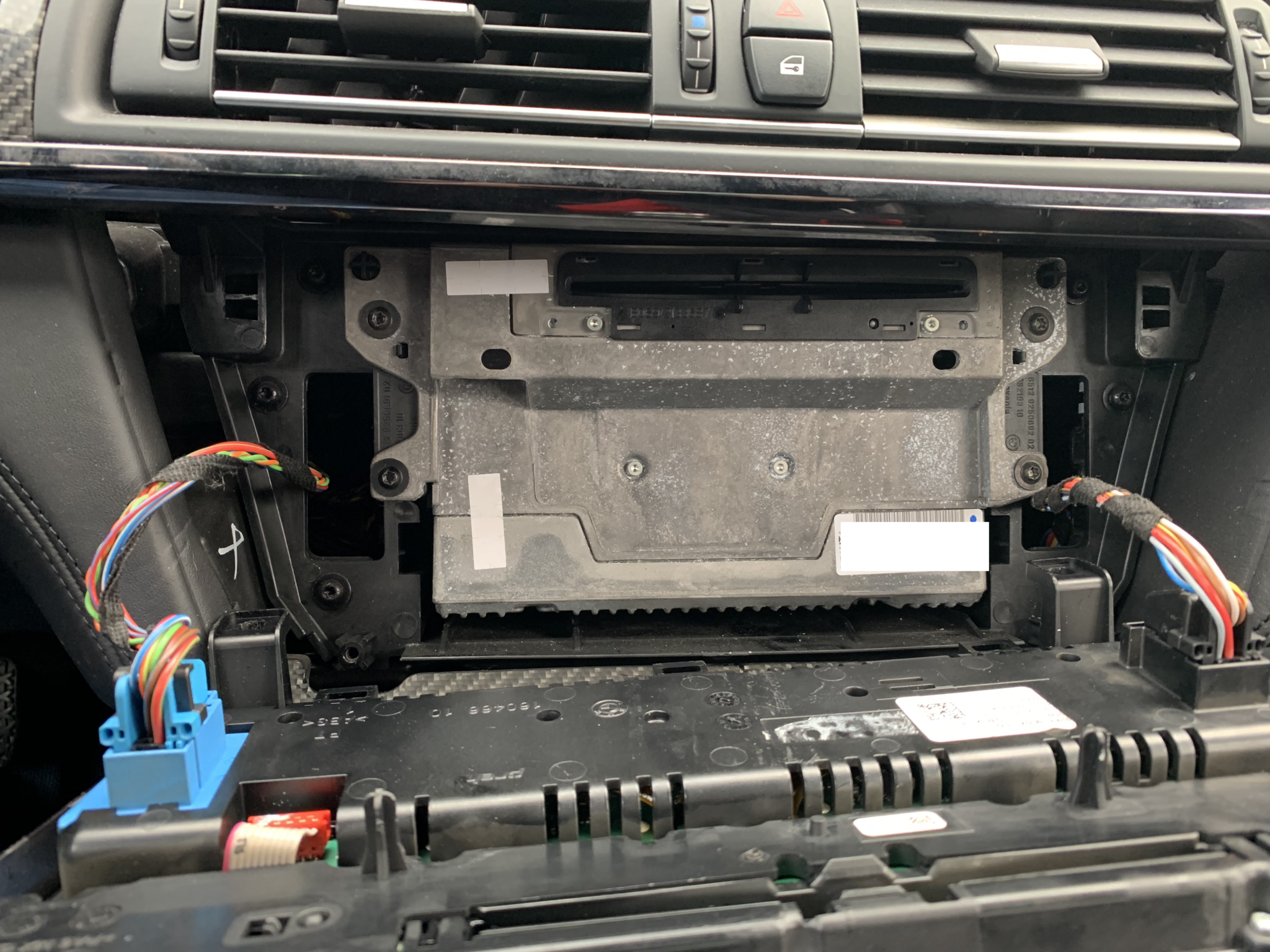
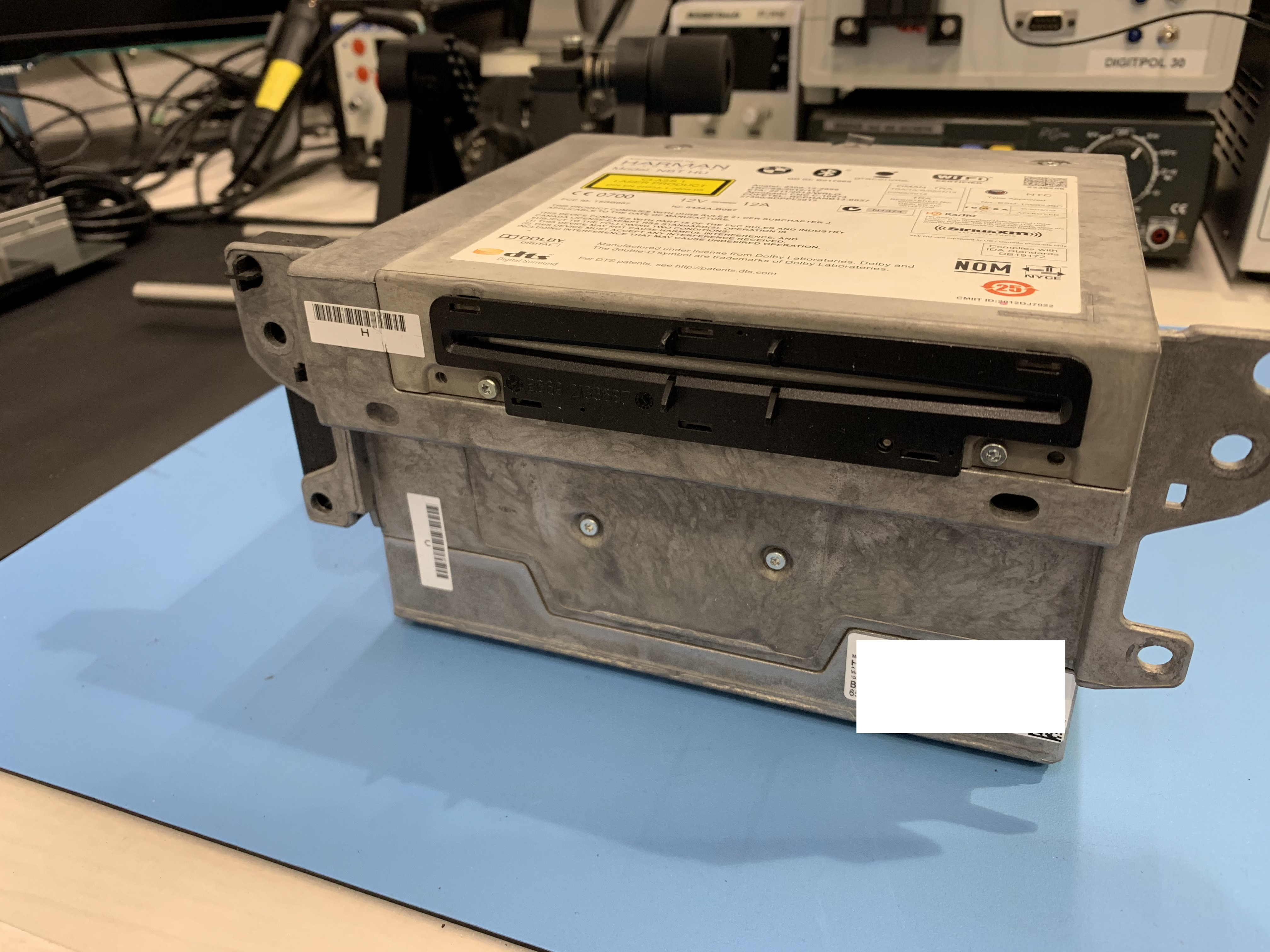
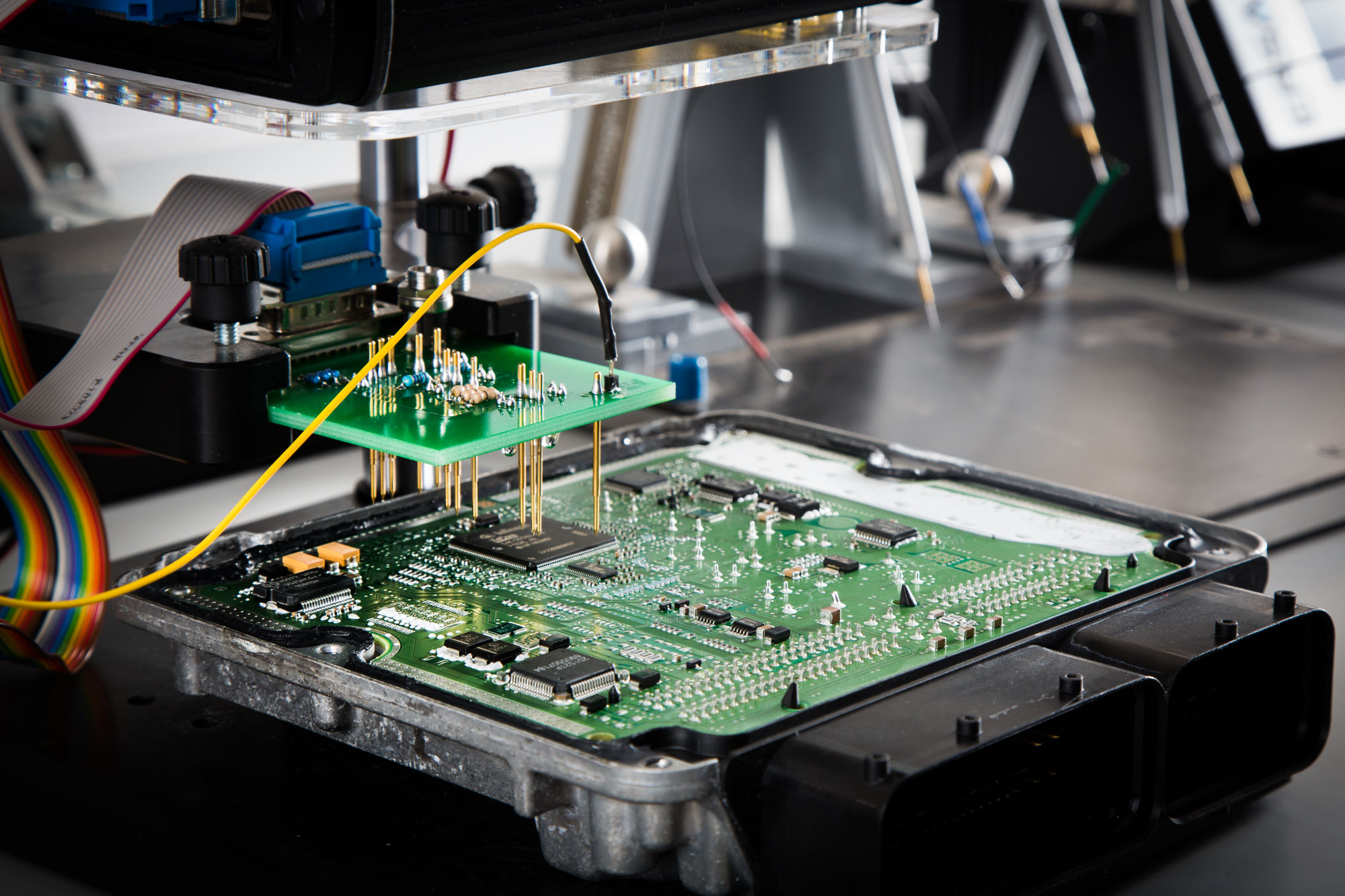
Our specialists perform detailed examinations of Electronic Control Units (ECUs), instrument clusters, immobiliser systems, smart keys, telematics modules, and OEM navigation and connectivity platforms. This analysis supports both cybersecurity assessments and digital forensic investigations, providing insight into system integrity, authentication mechanisms, and potential attack paths.
Automotive Digital Forensics
Digitpol conducts forensic examinations to recover and analyse vehicle identification data, crash information, diagnostic trouble codes, historical fault records, event logs, and other digital evidence. Investigations can be performed on-site or within our forensic laboratory to support incident response, insurance investigations, product security assessments, and legal proceedings.
Supporting Secure Vehicle Development
Our penetration testing and automotive forensic services enable manufacturers to identify vulnerabilities throughout the vehicle lifecycle, validate security controls, and improve the resilience of connected vehicle platforms. By combining offensive security testing with in depth automotive expertise, Digitpol helps OEMs reduce cybersecurity risks while supporting compliance with modern automotive cybersecurity standards and best practices. Digitpol captures and analyses CAN Bus commands generated by seized devices being used for vehicle theft within a controlled virtual CAN Bus environment, these packets are then used by OEM's for prevention and upgrades.
CAN Bus Packet Injection Testing for OEMs
Digitpol conducts CAN Bus packet injection and penetration testing for OEMs by reverse engineering the behavior of vehicle theft tools and capturing the CAN frames they generate. These captured frames enable OEMs to analyze attack techniques and strengthen vehicle software, helping to improve security against unauthorized access and theft.
CAN Bus Security Testing
The Controller Area Network (CAN Bus) remains the primary communication backbone within modern vehicles. Digitpol performs CAN Bus penetration testing by analysing network traffic, reverse engineering communication protocols, and simulating real-world attack techniques, including packet injection and gateway manipulation. By replicating the behaviour of known vehicle theft tools and other attack methods, we help OEMs identify vulnerabilities and strengthen software-based security controls to prevent unauthorised access and vehicle theft.